
Vocus Aims to Establish Four New Submarine Cable Protection Areas

We independently review everything we recommend. When you buy through our links, we may earn a commission which is paid directly to our Australia-based writers, editors, and support staff. Thank you for your support!
Brief Overview
- Vocus is pushing for increased submarine cable protection zones across Australia.
- The company has earmarked Darwin, Port Hedland, Maroochydore, and Christmas Island for these zones.
- Vocus recommends the inclusion of submarine cables in the Security of Critical Infrastructure (SOCI) Act.
- Protection zones have remained static since 2007, with only three currently established.
- Vocus proposes that government funds be allocated for new protection zones rather than imposing charges on telcos.
- There is a perceived need for strict enforcement to avert damage and disruption.
Enhancing Submarine Cable Protection Zones
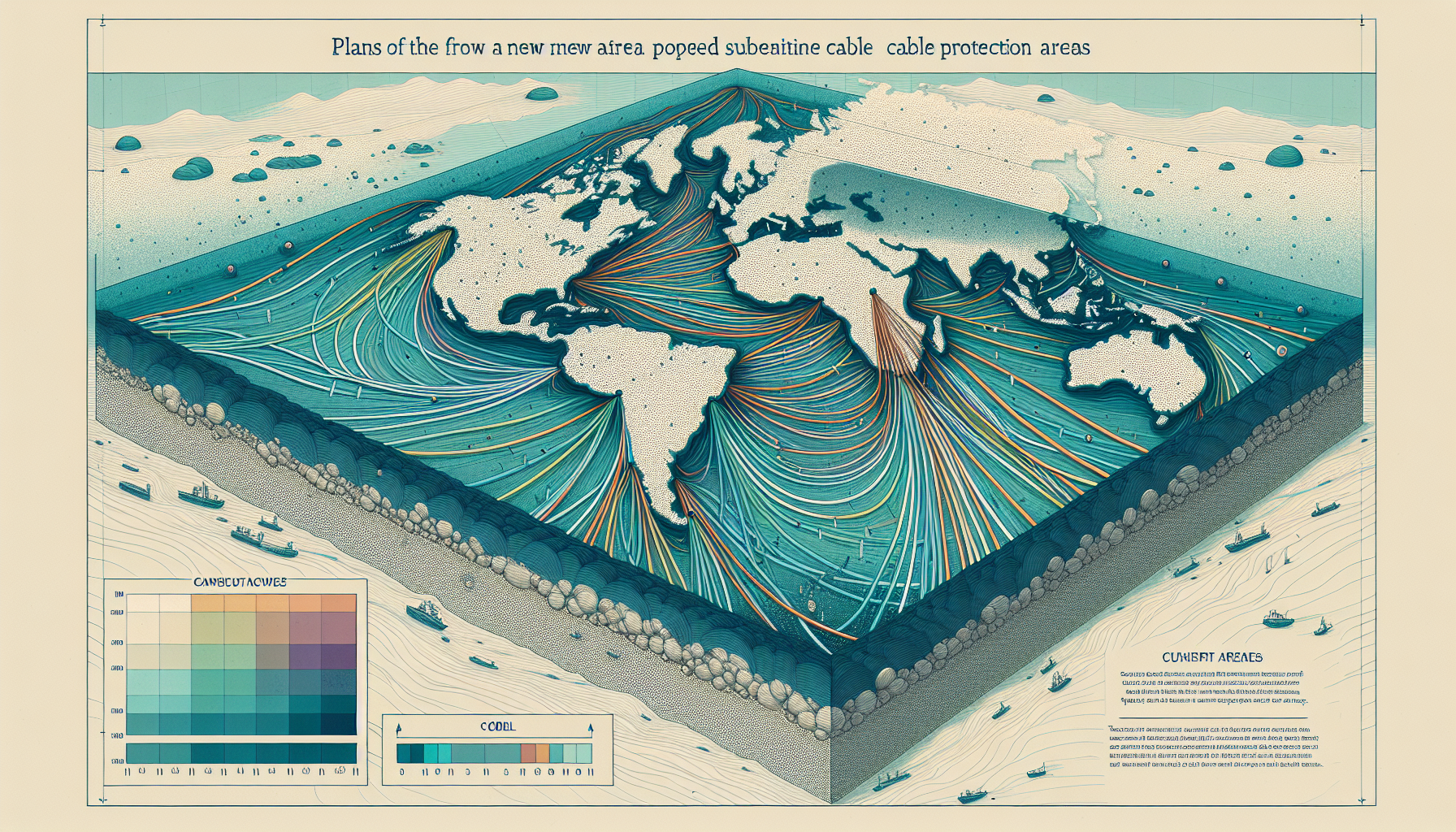
Telecommunications company Vocus is advocating for the Australian government to enlarge the network of submarine cable protection zones. This initiative aims to bolster the security and durability of Australia’s vital digital infrastructure. Vocus has pinpointed important locations for these additional zones: Darwin, Port Hedland, Maroochydore, and Christmas Island, due to their strategic role in connecting with the Indo-Pacific and northern areas.
The Demand for New Zones
Since 2007, Australia has possessed merely three submarine cable protection zones, which are situated in Sydney and Perth. Nevertheless, as an increasing number of cables are being landed outside these designated areas, the necessity for additional zones has intensified. Vocus contends that these zones ought to serve as active safeguards rather than passive barriers, necessitating proactive supervision to avert both unintentional and intentional damage.
Government and Regulatory Engagement
The establishment of new protection zones necessitates a substantial application fee of $170,527, which Vocus argues should be borne by the government or the Australian Communications and Media Authority (ACMA). This fiscal obligation, Vocus states, reflects the strategic national significance of these infrastructure components. The firm has also called for the incorporation of submarine cables under the Security of Critical Infrastructure (SOCI) Act, enhancing their protection and robustness.
Support from the Industry and Challenges
Vocus is joined by others in its request for broader protection measures. The Australian Strategic Policy Institute (ASPI) and the Australian Telecommunications Alliance have similarly emphasized the significance of bolstering submarine cable safety. Despite agreement on the necessity for additional zones, challenges persist in ensuring vigilant monitoring and enforcement, as the current zones are lacking adequate oversight.
Conclusion
Vocus is spearheading initiatives to broaden Australia’s submarine cable protection zones, stressing the importance of strategically placed locations and active management to protect essential infrastructure. The proposal aims to remove financial barriers for telcos and to weave cable security into national security frameworks.